ION PROBE LABORATORY
PHYSICAL RESEArCH LABORATORY
NAVRANGPURA, AHMEDABAD - 380009
Stardust in Laboratory
Dr. K. K. Marhas
Physical Research Laboratory
Ahmedabad
Grains condensing in cooling envelopes of stars are generally known as presolar grains and can also in literary sense be named as stardust. Some of these micron sized grains make their way into the molecular cloud from which our solar system formed. In other words, the bulk solar system composition is mixture of material from various stars over a time period of billions of years. Some of the grains are found in certain primitive meteorites and preserve the isotopic imprints of their parent star.
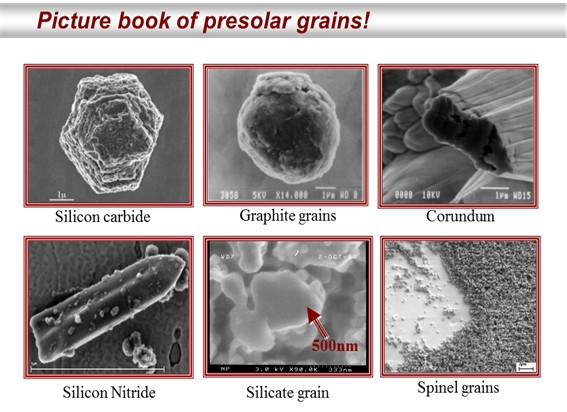
Until now seven different types of presolar grains [carbides: silicon carbide (SiC), diamond (C), graphite (C); Oxides: spinel (MgAl2O4), corundum (Al2O3); Nitrides: silicon nitrides (Si3N4) & silicates: olivine (Mg2SiO4), pyroxene (Ca Mg (Si, Al)2 O6)] have been discovered in primitive meteorites. These refractory grains condense directly from the gas phase at high temperature roughly between 1300 -1800 K. The condensation sequence of minerals depends on the C/O ratio of the gas.
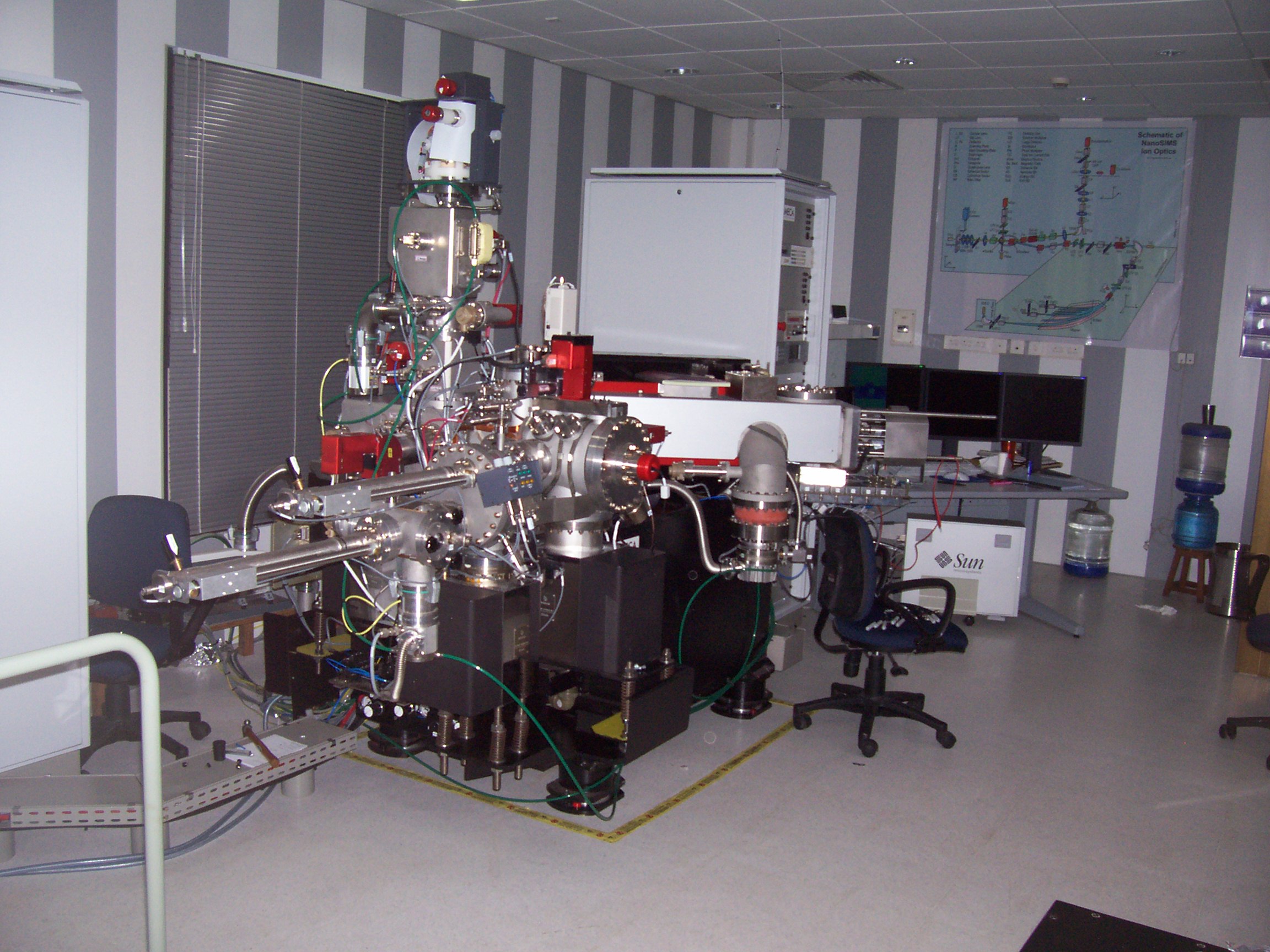
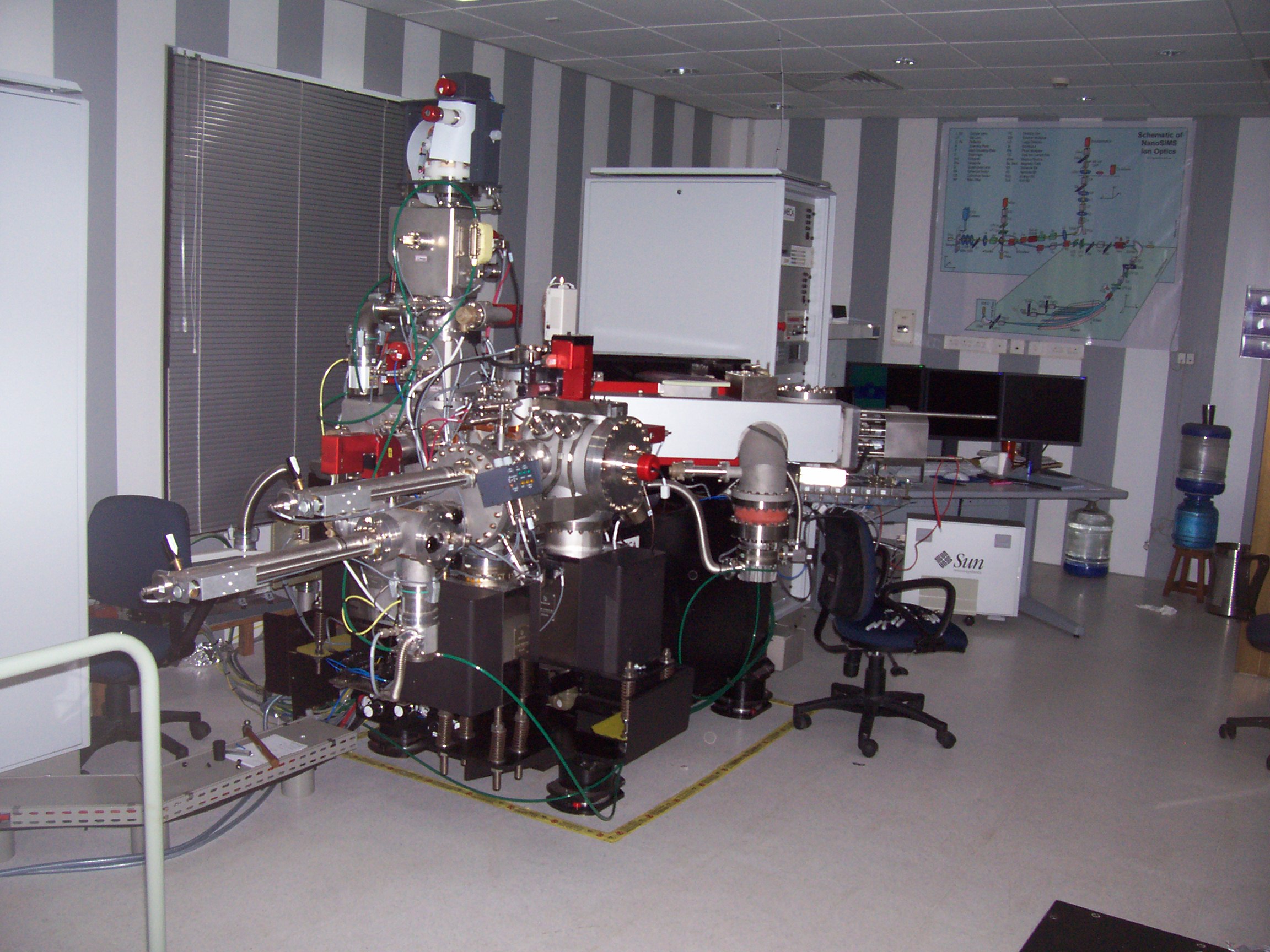
Isotopic analyses on individual grains of such small size have been possible by the new technical development of ion probe in 2000 and with advent of nanoSIMS (nano Secondary Ion Mass Spectrometer). Main difference between the conventional ion probe and nanoSIMS is the primary beam size which can be reduced to around 50nm instead of 5-6 microns.
Presolar grains are identified on the basis of their highly anomalous isotopic compositions and comparing these with the astrophysical spectroscopic data leads to identification of the parent source.